
Data Recovery by eProvided
Can My Data Be Recovered?
Almost always, yes — eProvided holds a 98% success rate across tens of thousands of cases since 1999. Failed USB drives, phones, SD cards, hard drives and SSDs all have a path back to your files. A free evaluation tells you exactly what is recoverable before you pay anything.
“I’ve been doing this since 1999 — back then you could pull the memory chip and read it. Today that chip won’t talk to anything except the processor it was paired with at the factory.” — Bruce Cullen, founder, eProvided
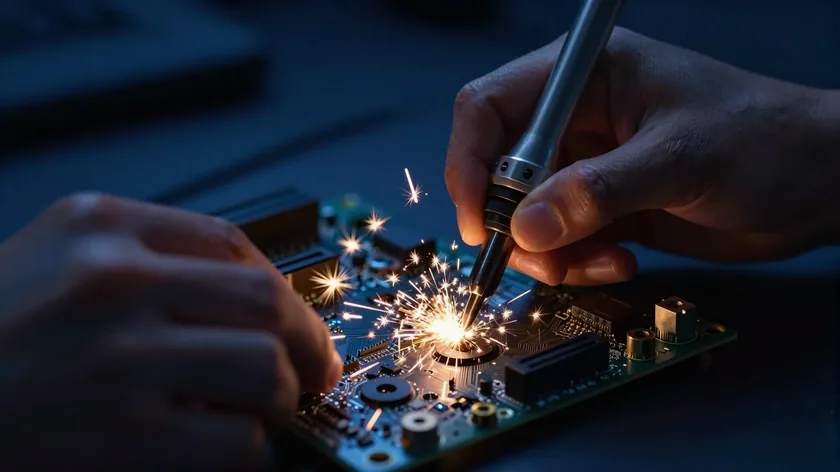
One lab in Las Vegas. Used by NASA, the FBI and the U.S. Navy since 1999. eProvided is a data recovery lab that brings back files from every major class of storage — broken flash drives, dead phones, snapped memory cards, failed hard drives and SSDs — and every case gets the same free evaluation and the same guarantee: No Data, No Data Recovery Fee. Browse every recovery service we offer, or jump straight to your device below.
Come to us — day or night, just call ahead — or ship your device from anywhere on Earth. Wherever it starts, every job lands on the same bench, handled by the same engineers who have recovered data for tens of thousands of customers. Call (866) 857-5950 or start your free evaluation online.
Free Data Recovery Evaluation
Ship it or bring it in — we diagnose the failure for free. No Data, No Data Recovery Fee.
Or call (866) 857-5950
What We Recover
Pick your device and you land on a page built for exactly that failure — what goes wrong, what recovery involves, and what to do next.
Every class of storage fails in its own way, and the lab is equipped for all of them. Flash media that fails at the chip level is our specialty — the deep end of that work lives on our NAND flash and chip-off recovery page. Spinning hard drives are a different discipline entirely: head crashes, seized motors and firmware corruption call for donor parts and controlled imaging, not chip work.
Solid-state drives sit somewhere in between. Most modern solid-state drives scramble everything they write with a key that lives inside the drive’s own controller chip and never leaves it. That means removing the memory chips gets us encrypted noise. The real path is bringing the original controller back to life — and we will tell you up front if your drive is one where that is not possible.
Lost photos and video get their own lane through photo and image recovery, and decades-old family archives come back through our work on scratched and unreadable discs.
What To Do When a Device Fails
The minutes after a failure decide more recoveries than anything we do at the bench. Three rules protect your files until they reach us.
- Power it down and leave it down. A clicking hard drive grinds its own platters with every retry. A wet phone shorts a little further every time it wakes. Off means safe.
- Skip the folk remedies. Rice does nothing for a wet device, and heat — hair dryers, ovens, radiators — accelerates the corrosion you are trying to stop. Seal it in a bag and get it to a lab.
- Be careful with recovery software. If the device is failing physically, every scan pushes it closer to unrecoverable. Our guide to the risks of data recovery software explains when a scan is safe and when it destroys evidence of your files.
Deleted a file on a healthy drive? Software may serve you fine. Hearing noises, seeing corruption, or holding a device that will not power on? Stop, and let the evaluation tell you what is actually wrong — it costs nothing.
How Data Recovery Works at eProvided
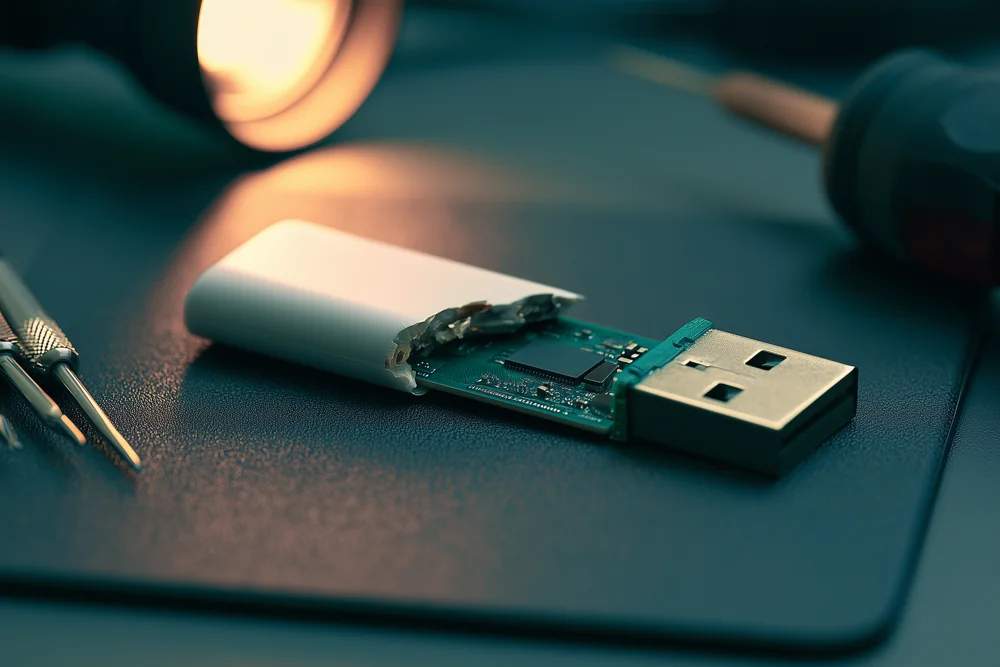
Five steps, no surprises, and you approve the quote before any recovery work starts.
- Start Your Case — call us or start your free evaluation online. Describe what the device is and what happened to it.
- Get It to the Lab — ship it from anywhere on Earth, or bring it to the Las Vegas lab — call first so we can meet you.
- Free Evaluation and Firm Quote — we diagnose the failure at no charge. A firm quote usually goes out within one business day of your device arriving.
- Recovery on the Bench — typical turnaround is a few business days, longer for difficult cases. A 24-hour rush option exists for emergencies.
- Your Files Returned — you review a listing of what came back, then your data ships on new media or arrives by secure download.
The quote is the price. When the loss is urgent — a court date, a production deadline, a business that cannot open without its records — say so when you call and we move your case to the front of the bench.
Why eProvided
Since 1999, one specialty: getting files back from storage hardware that has failed. Not a franchise, not a shipping front for someone else’s lab — the engineers who answer the phone are the ones doing the work.
- Free evaluation, firm quote — you always know the price before you commit.
- 27+ years of chip-level experience — since 1999, across every generation of flash and disk storage.
- Worldwide customers, one lab — insured shipping from anywhere on Earth, straight to the Las Vegas bench.
- Non-destructive first — we work on your device only as far as needed to copy the data safely.
USB drives, SD and microSD cards, voice recorders and dashcams usually fail at the controller, not the memory. On these we go straight to the memory itself — lifting the chip off, or opening a sealed one-piece chip and wiring directly to the connections inside — then rebuilding the filing system in software until your files reappear. This is the work most labs will not take.
Phones fall into two groups. On older models, the memory chip can be removed and read on its own, and your files come back from the chip itself. On newer phones, the files are locked to the phone’s own processor — take the memory chip out by itself and you get scrambled noise. For those, we either repair the original board until the phone wakes up, or we move the original processor and memory together onto a healthy donor board so the pair can unlock the data the way it always did. Which path your phone needs depends on its model and year, and we find out before you are charged.
Your data stays private from intake to delivery. Every device is logged to a case number the moment it arrives, handled only by the engineers working your case, and stored securely until it goes home. We look at your files only as far as verifying the recovery worked — a file listing you review, nothing more. Recovered data returns on new media or through a secure download, you can track your case online at every stage, and the failed device comes back to you or is destroyed on request. Law firms, agencies and businesses have trusted that process since 1999; it protects a family’s photo library just the same.
Not Sure What Your Device Needs?
Tell us what happened. The evaluation is free, and the answer arrives before you spend anything.
Or call (866) 857-5950
Used by NASA, the FBI and the DoD
 Enlarge
When the files genuinely cannot be lost, the work comes here. eProvided recovered the NASA Helios mission data from flash memory submerged in the Pacific for weeks — the Helios Prototype was a one-of-a-kind solar aircraft, and its data existed nowhere else. NASA has also called founder Bruce Cullen directly regarding a NAND data-transmission glitch on the Mars rover, a case that made national news, and eProvided was also contacted about data storage for the Nancy Grace Roman Space Telescope program. None of that casework changes the process a customer goes through today — free evaluation, firm quote, and a device that comes home when the case closes. The same discipline applies whether the device belongs to a government program or a family photographer — it is what separates a trusted data recovery lab from a shipping middleman: the same engineers, the same bench, no exceptions.
The FBI, the U.S. Department of Defense and law enforcement agencies have used the same bench, the same methods, and the same engineers your files get. That is the point of putting these names on the page: government casework demands chain-of-custody discipline, documented handling and results that hold up under scrutiny, and those habits do not switch off when a wedding archive or a student’s thesis arrives instead. The hardest jobs trained the lab; every job benefits.
Popular Mechanics wrote up the lab in 2005 — founder Bruce Cullen quoted by name in the November 2005 print issue, back when reading a snapped flash drive at the chip level was novel enough to be news.

Watch: Getting Started
Seventy-two seconds from founder Bruce Cullen on what to do first when a device fails and how a case moves through the lab.
It covers the same starting point every case follows — describe what the device is and what happened to it — before anything else happens. From there, the evaluation is free, the quote is firm before any work starts, and nothing gets attempted without your say-so. Watch it once, and you already know what to expect the day your own device shows up here. It is the same data recovery process every device goes through in this lab, whether it is a phone, a hard drive, or a single USB stick.
What Our Customers Say
A 2009 SD card, 1,201 of 1,245 photos back
A customer’s 8 GB SD card from 2009 held a whole trip abroad. The camera showed errors and computers hung. Our first pass read 99.7% of the card; our own software then went back for the 352 small gaps. 1,201 of 1,245 photos came back. Read the full SD card case study.
Read more customer experiences on the eProvided subreddit.
One Lab in Las Vegas, Worldwide Customers
The lab is at 9527 Knopfler Ln, Las Vegas, NV 89148, open 9:00 AM to 9:00 PM, seven days a week. In Las Vegas? Call and tell us when you’re coming — we’ll open the lab for you, evenings included. Your device goes straight to the bench. An appointment is required for all in-person visits, so call first. More on data recovery in Las Vegas, or call (866) 857-5950 to schedule.
Shipping From Anywhere on Earth
Everyone outside Las Vegas ships in — every drive lands on the same bench either way. Power the device down, wrap it in something padded — an anti-static bag first, if you have one — and box it so nothing shifts. Include your case number, use a carrier with tracking and insurance, and send the whole device rather than a bare board when you can.
Wet devices should stay sealed in a plastic bag, not dried out. From the moment tracking shows delivery, you can follow your case online until your files ship home.
Frequently Asked Questions
How much does data recovery cost?
Every case starts with a free evaluation, and you approve a firm quote before any work begins. Simple, logical recoveries are our least expensive jobs; physical damage, water damage and chip-level work are quoted up front. You pay nothing unless your files come back — full detail on what recovery actually costs.
How long does data recovery take?
Most recoveries finish in a few business days once your quote is confirmed, and difficult cases take longer — we tell you before we start. A 24-hour rush option is available for emergencies. Your firm quote usually arrives within one business day of your device reaching the lab.
Can you recover data from a phone that will not turn on?
Usually, yes. On older phones the memory chip can be read on its own. On newer phones your files are locked to the phone’s processor, so we repair the original board or move the processor and memory together onto a donor board. Model and year decide the path — water-damaged phone recovery works the same way.
What is chip-off data recovery?
Chip-off means reading the memory chip directly. USB drives, SD and microSD cards, voice recorders and dashcams usually fail at the controller, not the memory — so we lift the chip, or open a sealed one-piece chip, and rebuild the filing system until your files reappear. It is the work most labs will not take.
Do I have to visit the lab in person?
No — most customers ship their device to us with an insured carrier, from anywhere on Earth. If you are in Las Vegas, call first and bring it by; an appointment is required for all in-person visits, evenings included. Either way, the same engineers and the same bench handle your device.
Do you recover drones, dashcams and voice recorders?
Yes — anything that stores files on flash memory is squarely inside the lab’s specialty. Crashed drones, dashcams after an accident, voice recorders holding interviews or evidence, action cameras, even sat-nav units: the storage inside is the same NAND family we work on daily, and the same free evaluation applies.
What happens if my data cannot be recovered?
You owe nothing — No Data, No Data Recovery Fee is the policy, not a slogan. We return or securely dispose of your device, whichever you prefer, and your files stay confidential from intake to delivery either way. The 98% success rate exists, honestly, because the other 2% never pay.
How do I start a data recovery case?
Start your free evaluation online or call (866) 857-5950 between 9:00 AM and 9:00 PM, any day of the week. Describe what happened, ship or bring in the device, and we handle the rest. Finding out what is recoverable costs nothing.
Data Recovered For
Every organization below is a real, completed, paid recovery case in eProvided’s own records — devices received, data recovered, shipped back. No purchased badges, no borrowed logos.
 Helios — flash memory recovered
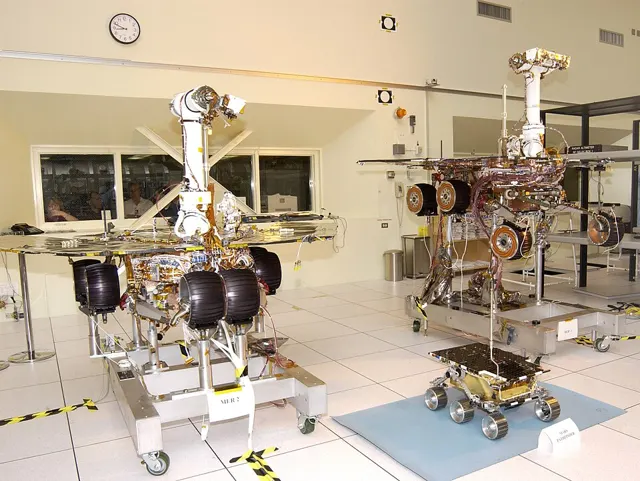 Mars Rover — consulted
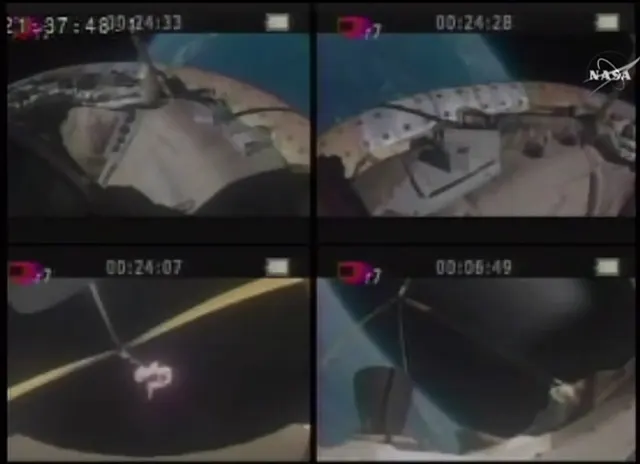 JPL LDSD — advised










 Peterson Air Force Base







 Tennessee Valley Authority
 U.S. Forest Service







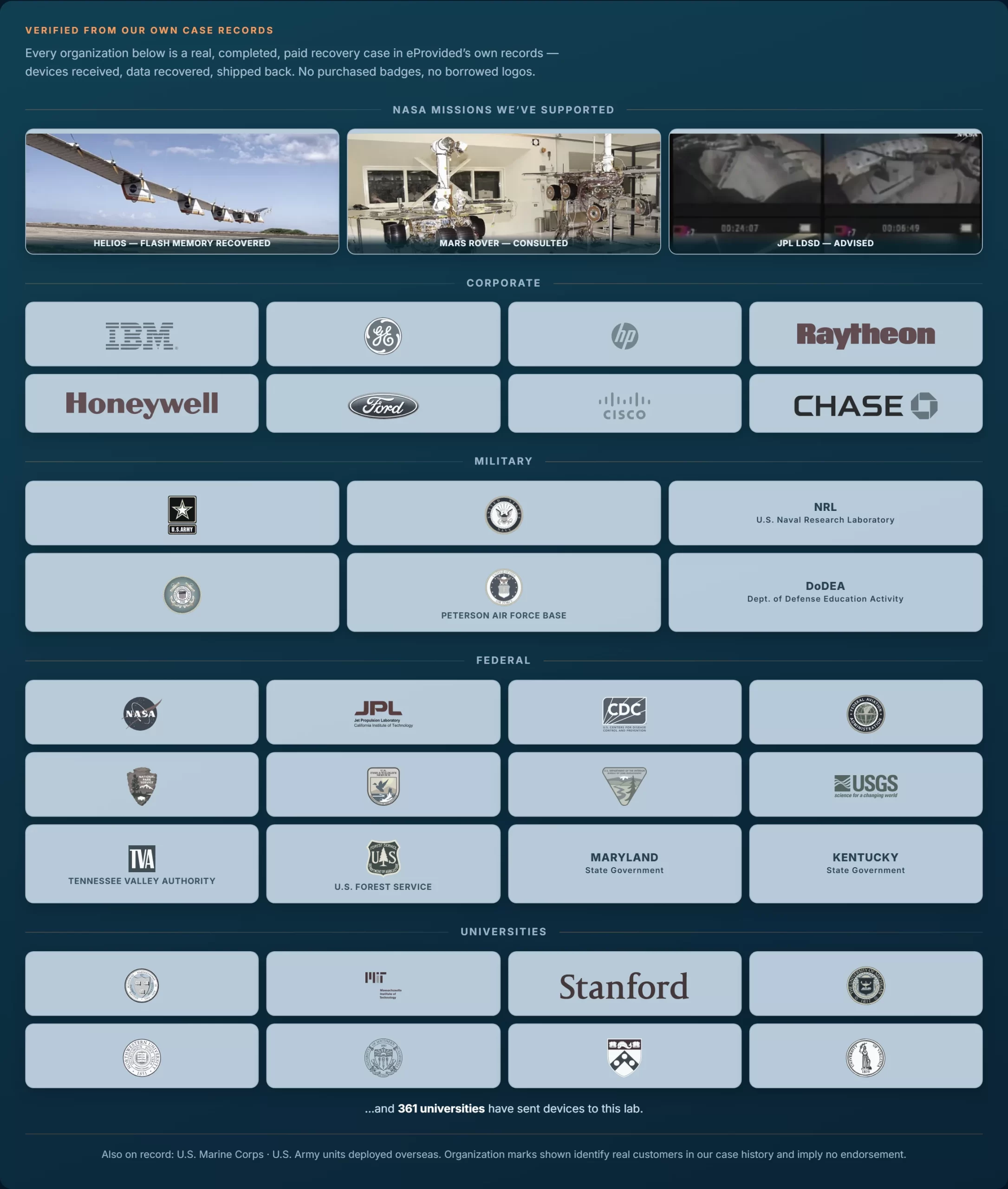
…and 361 universities have sent devices to this lab.
Also on record: U.S. Marine Corps · U.S. Army units deployed overseas. Organization marks shown identify real customers in our case history and imply no endorsement.
Start Your Recovery Today
The device that failed is the only copy of something that matters — that is why you are here. Power it down, leave it alone, and let the lab that NASA and the FBI have used take it from there. You will know what is recoverable, and what it costs, before you spend a cent of anything but time.
Twenty-seven years in, the phone still gets answered by people who do the work, and eProvided still treats a single flash drive with somebody’s only baby photos as seriously as a government contract. Tens of thousands of customers took the first step you are looking at right now. Learn more about eProvided, or start your case and let the bench do the rest.
Ready to Get Your Files Back?
Free evaluation. Firm quote. 98% success rate since 1999. No Data, No Data Recovery Fee.
Or call (866) 857-5950